
What are they and why they could be a problem


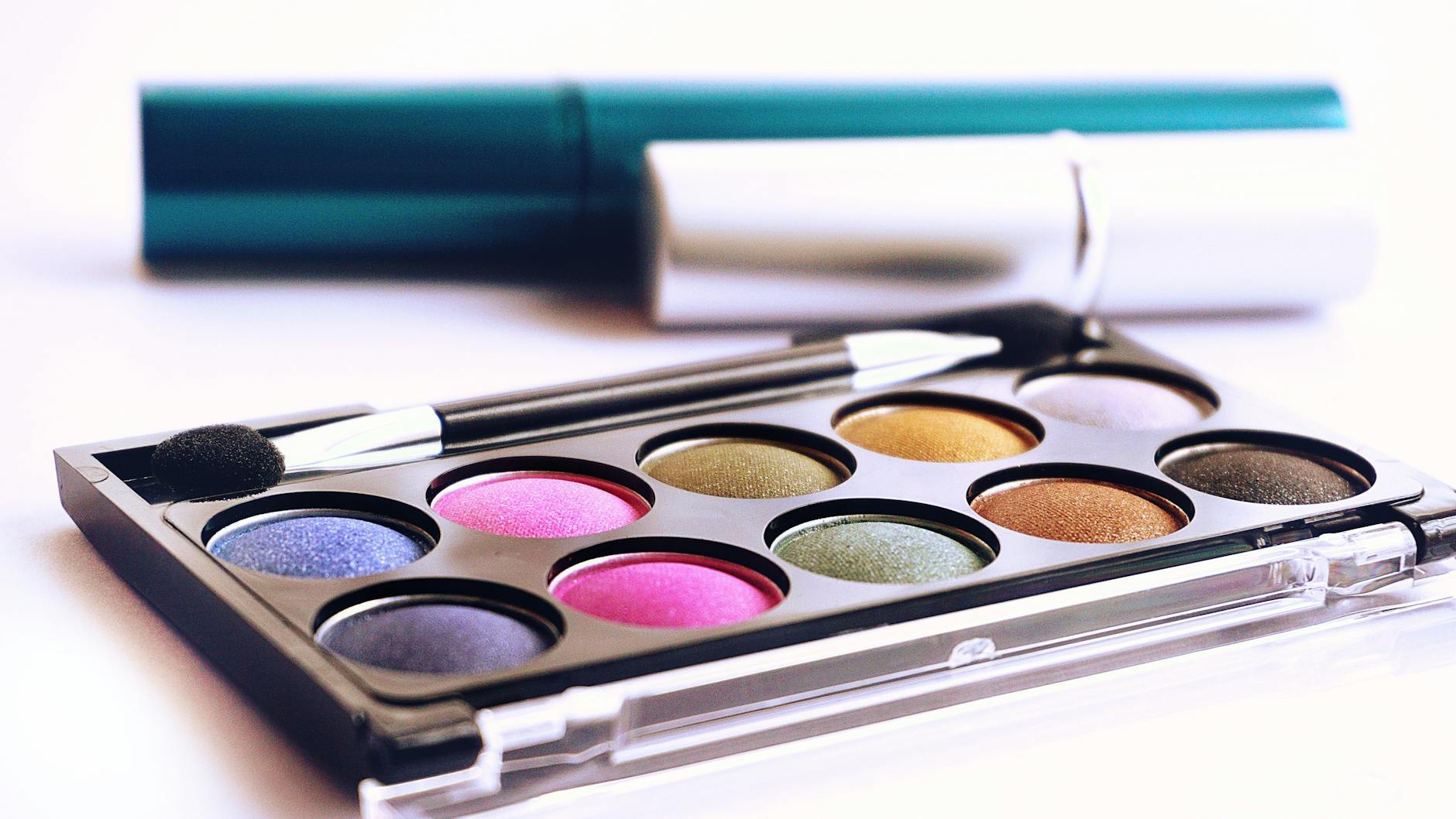
Have you ever thought about how do cosmetics get their colours? Yes, I’m talking about those gorgeous tropical greens or aquatic blues in the eye-shadows, or the sinfully vivid magentas in the lipsticks. Cosmetics are coloured using a combination of natural and synthetic pigments, dyes, and other colourants. In this blog post I will take you on a vibrant tour of colours in the cosmetics. We focus on mica powder, a naturally occurring mineral, which has recently become very popular in the cosmetics. But let’s start by taking a look into different colourant types.
| Mineral Pigments | Derived from naturally occurring minerals. Iron Oxides are used for reds, browns, and yellows. Titanium Dioxide, a white pigment, is used for opacity and brightness. Ultramarines from synthetic or natural sources are used for blues, greens, and violets. Mica from synthetic or natural sources, variety of colour options due to dyes. |
| Plant-Based colourants | Extracts from plants like beetroot (red), turmeric (yellow), and spirulina (green), just to mention a few popular ones. Usually in a powder form. |
| Animal-Based colourants | Carmine (cochineal): a deep red colour made from crushed cochineal insects. |
| Synthetic colourants | FD&C and D&C Dyes are water-soluble and provide vibrant colours in products like lipsticks, eye-shadows, and nail polishes. Lakes are dyes fixed onto insoluble substances, making them oil-dispersible for use in lipsticks and cream-based cosmetics. Synthetic Pearlescent Pigments are made from mica or synthetic mica coated with titanium dioxide or other oxides for shimmery effects. |
| Biological pigments | Some newer cosmetics use pigments derived from algae, fungi, or bacterial fermentation for natural and sustainable colouring. |
| Specialty colourants | Interference Pigments create shifting colours based on light angle and are often used in highlighters and nail polishes. Glitters and Bioglitters provide sparkle in cosmetics like body glitter and eye-shadows. |
what’s about mica ?
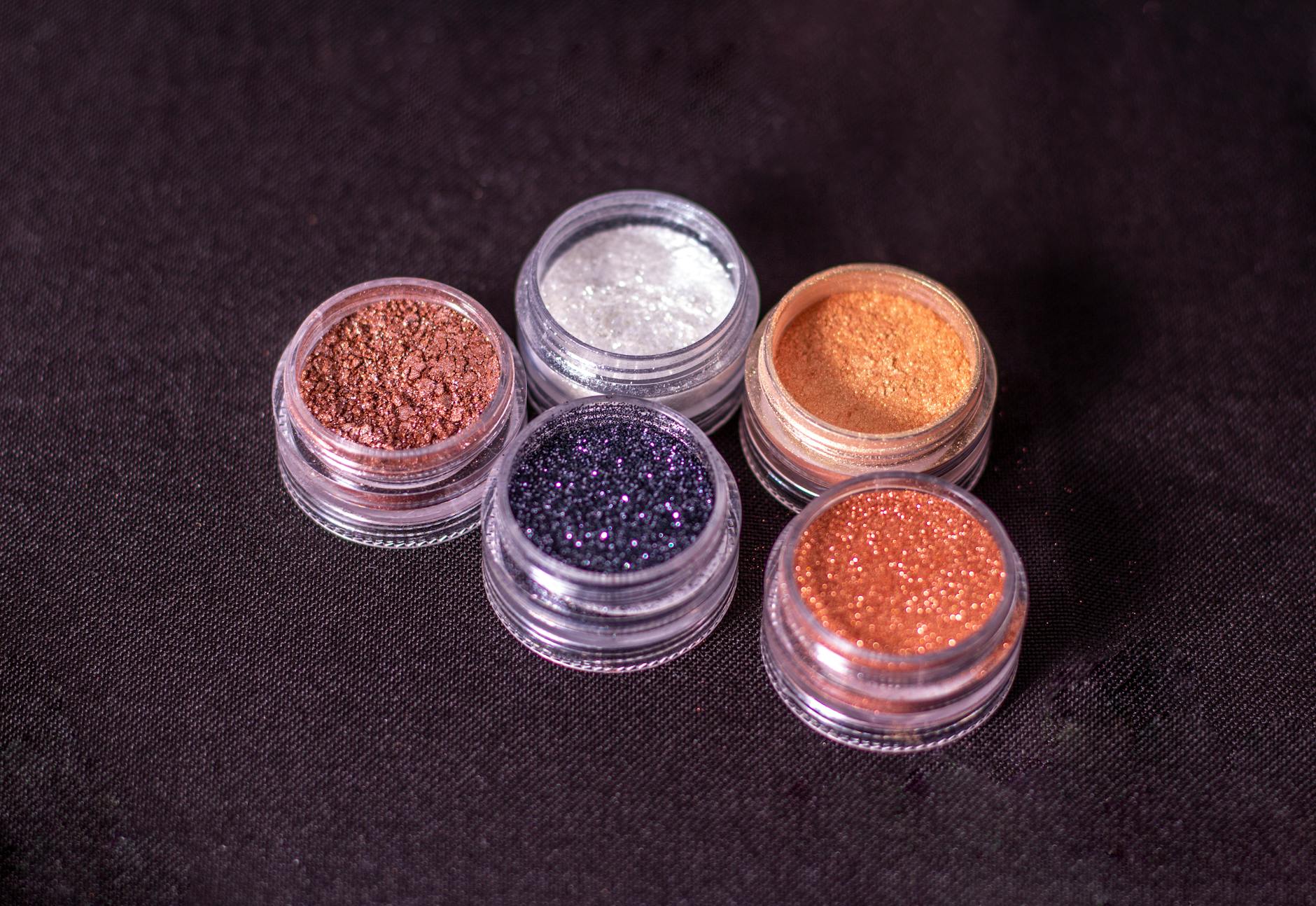
Micas have become very popular thanks to exceptional skin benefits and reputation as a natural option for dyes. Mica brings radiance and glow to the complexion, revitalizing dull and tired skin. As mica powder is very fine, it helps minimize the appearance of imperfections, creating a natural blurring effect. Mica is also non-comedogenic and does not irritate the skin, which makes it suitable for all skin types. So, what’s the problem with micas?
Ethical Issues in Mica Mining
A significant amount of mica is mined in countries where child labor and unsafe working conditions are prevalent, like in India and Madagascar. Families, including children, work in hazardous conditions to extract mica, often for very low wages. Large amount of the mica used in cosmetics comes from unregulated or illegal mines, making it difficult to ensure ethical sourcing.
Environmental Concerns
Mica mining can lead to deforestation, habitat destruction, and soil degradation. This damages ecosystems and contributes to biodiversity loss. The process of mining and refining mica generates waste, which can harm local environments and communities if not properly managed.
Health Risks
For workers in mica mining or processing, inhaling mica dust can lead to serious respiratory issues, including silicosis, a severe lung-tissue damaging disease. Mica used in cosmetics is sometimes in nanoparticle form. This raises concerns about potential absorption through the skin or inhalation when used in powders.
Transparency and Greenwashing
Some companies claim their mica is “ethically sourced” without providing verifiable evidence. Consumers may unknowingly support unethical practices. Alternatives marketed as eco-friendly or synthetic mica still involve energy-intensive production, which can have its environmental footprint. While synthetic mica (fluorphlogopite) avoids the ethical concerns of natural mica, it’s not without its challenges. Synthetic mica requires significant energy and resources to produce, impacting its overall sustainability.
my thoughts on using mica
Here it comes: I use only and only plant-based colourants and always choose certified organic where available. I do not use mica powders, although they come from a naturally occurring mineral. Since many mica powders have synthetic colours added, I don’t consider mica natural or any healthier choice for my skin. Sustainability concerns, impacts on the health and environment, and links to child labour all have influenced my decision to steer clear from mica in my homemade cosmetics.
Having said that, the badness of mica in the cosmetics depends on how it is sourced and used. If you want to give it a try, but worry about the issues above, look for certifications like “Fair Trade”. Alternatively, look for brands that provide detailed sourcing practices of their cosmetic ingredients.
what about COSMETICS safety and regulations?
Just like any other ingredients, the colourants in cosmetics must meet strict safety and quality standards set by authorities. In the UK the authority is The Office for Product Safety and Standards (OPSS). In the EU it is European Commission and the Scientific Committee on Consumer Safety (SCCS). The UK and EU regulations are very closely aligned. In the USA, the Food and Drug Authority (FDA) regulates the cosmetics and colourants in them. However, it is well known fact that the USA cosmetics standards are more lax than in the UK and EU. When choosing to buy a colourant, err on the side of caution and choose one complying with the UK and/or EU standards. Certain colourants are only approved for specific uses (e.g., not all are allowed for use around the eyes or lips). Products undergo stability and toxicity testing to ensure the safety and stability of the colourants.
With love and lots of goodness of Mother Nature,
Lulu
Disclaimer: these blog posts are not medical advisory. All ingredient descriptions are based on commonly available information. The benefits described are based on academic research studies. If you suffer from any skin condition or allergies, always consult first your GP/medical practitioner before trying new treatments on your skin.

