The troubled skincare multitasker

The star ingredient-blog series introduces our most essential ingredients; the stars without which the products would not be the same. Star ingredients are core and heart, whether about structure, skin feel, scent, or skin care qualities.

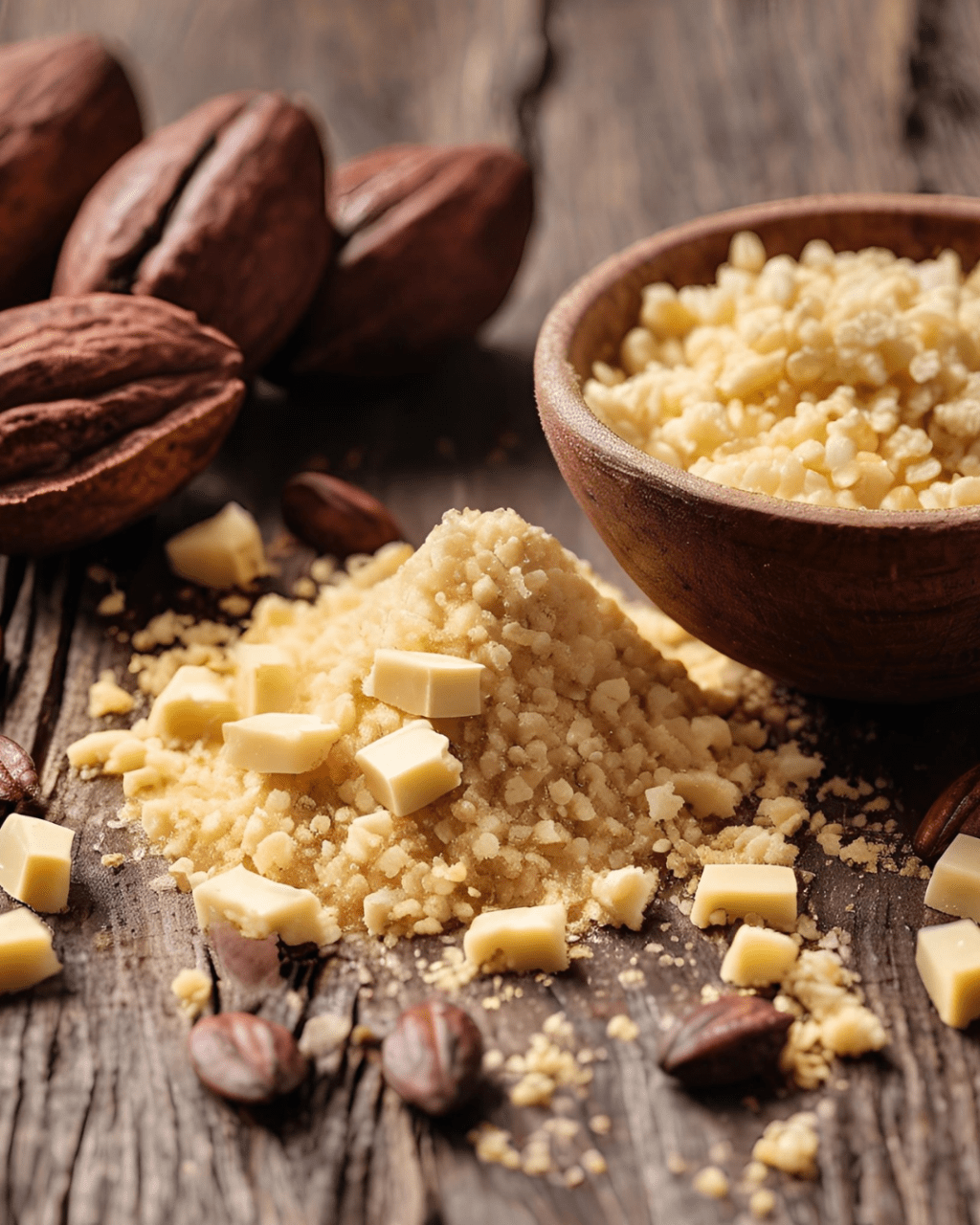
I love chocolate. So it shouldn’t be a surprise that I love cocoa butter in skincare too! Cocoa butter, or theobroma cacao seed butter as the name goes in the cosmetic ingredient list, is one of the hardest butters. Raw cocoa butter is brittle and has a distinctive, mild chocolatey smell.
Cocoa butter is extracted from the cocoa beans: first, the beans are roasted and ground into a coarse cocoa powder, then processed into cocoa mass. Cocoa butter is separated from the cocoa mass with a hydraulic press. Cocoa butter can also be purified to remove any unwanted residues and make it odourless (who wants that?! Not I!).
I use certified organic cocoa butter in my almond soap not only for the skin benefits but also to balance the large quantity of soft, super-nourishing oils (like almond oil) to harden the soap bars and prevent them getting mushy in daily use. I use only raw cocoa butter which means it hasn’t been deodorised – the raw butter retains all the lovely smell and more nutrients for the skin.

Like all butters, cocoa butter is composed of fatty acids; 60% saturated fat (palmitic, stearic, lauric, and myristic acids), 35% monounsaturated fat (oleic acid), and 1% of polyunsaturated fat (linoleic acid). Cocoa butter forms a protective barrier on the skin, helping to protect it from external pollutants and harsh environmental factors, preventing moisture loss and keeping the skin soft and supple.
Cocoa butter contains antioxidants like vitamin E, which help to neutralize free radicals and reduce oxidative stress on the skin. This can slow down the aging process and reduce the appearance of wrinkles and fine lines. The moisturizing and antioxidant properties of cocoa butter can also aid in the healing of skin irritations and conditions like eczema and dermatitis. It can also help reduce the appearance of scars and stretch marks by promoting skin elasticity and regeneration.
Cocoa butter has anti-inflammatory properties that can soothe and calm irritated skin, making it useful for conditions like rashes and sunburn. Regular use of cocoa butter can improve skin texture by smoothing rough and dry areas, resulting in a more even and polished appearance.
Despite being a rich moisturizer, cocoa butter is absorbed relatively quickly and doesn’t leave a greasy residue, making it suitable for various skin types. However, the comedogenic rating of cocoa butter is 4, which means it may not be suitable for acne-prone skin due to risk of clogging pores. It is good to note that cocoa butter does not contain any known allergens, so it is a safe option for many types of skincare.
And last but not the least; raw, undeodorised cocoa butter has aromatic benefits. The natural, pleasant scent of cocoa butter can provide a soothing and uplifting sensory experience, adding to the overall appeal of using products containing this ingredient.

So what makes the cocoa butter troubled?
Currently, global cocoa production is in deep crisis. The cost of cocoa -and consequently cocoa butter- has gone through the roof due to global shortage. A whopping 80% of the world’s cocoa is grown in West Africa, mainly in Ghana and Ivory Coast, but in the past couple of years, the cocoa harvests have been suffering greatly from abnormal weather patterns (hello climate change!), from extreme heat and drought to heavy rains. Poor weather conditions have contributed to plant diseases diminishing the harvests even more. Additionally, many cocoa growers are smallholders who don’t have the money to invest in their land or replace ageing cocoa trees to increase the yield.
All this has made the cocoa market prices very volatile. In the worst scenarios your favorite chocolate bar might become a luxury product. And I would hate to stop using cocoa butter in the soap making and my cosmetics for the cost reasons. We are not in that situation yet, but we’ve been warned firmly by Mother Nature. As a long-term objective, I’m is trying to find the most sustainable providers of certified organic cocoa butter to reduce my ecological footprint.
In the wake of World Environment Day (every year 5th June), the cocoa gate is a good reminder of how fragile our relationship is with Mother Earth. Treat it well, and it will give you in abundance, treat it badly, and it will take it all away from you.
With love and lots of goodness of Mother Nature,
Lulu
Disclaimer: these blog posts are not medical advisory. All ingredient descriptions are based on commonly available information. The benefits described are based on academic research studies. If you suffer from any skin condition or allergies, always consult first your GP/medical practitioner before trying new treatments on your skin.
 Casa De Luluel