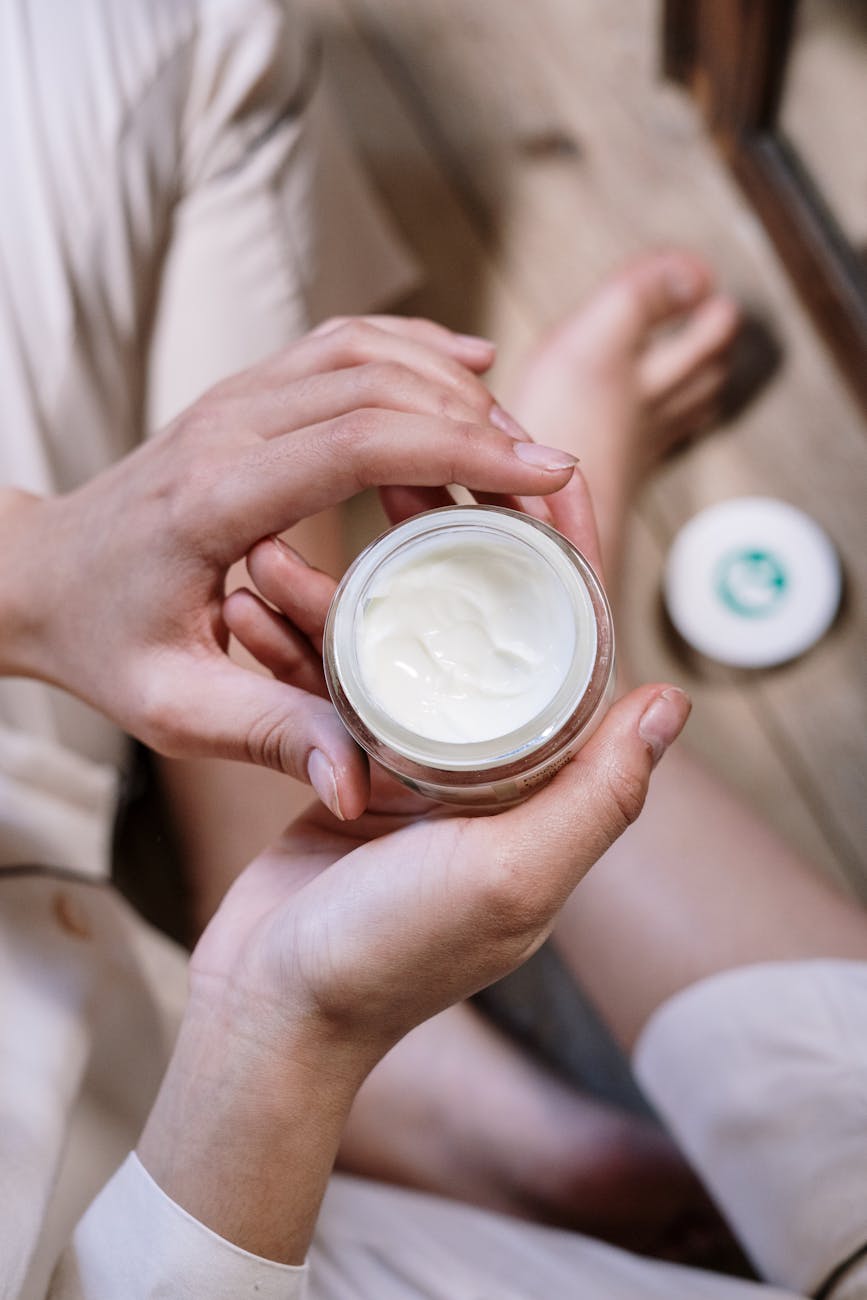

So you went and bought online that new, expensive face cream promising to be “all natural with organic content” in an effort to move towards ‘cleaner’ personal skincare regime. On receiving the face cream you glance at the product leaflet and ingredient list in dismay. The much-touted organic content is ridiculously small percentage of the all ingredients. Let’s face it; you fell for the advertisement. You’re the latest victim of greenwashing.

The imaginary shopping story above is just one example of how cosmetic manufacturers (big and small) can play with the words and sell the green(er) images to the consumers. Worry not, there are several steps you can take to verify the organic authenticity of your cosmetic products, or ingredients, if you’re into DIY.
Look for Certifications
Organic cosmetic products should ideally be certified by reputable organizations. In the UK and European Union, look for certifications from organizations like ECOCERT, Soil Association, COSMOS, or BDIH. In the United States, USDA (United States Department of Agriculture) is the best known body for the certifications, albeit their requirements for the organic products are more lax than in the UK and EU. I stick to the COSMOS, ECOCERT and Soil Association certified ingredients, just to be sure.

Read Labels and Ingredient Lists
Check the product labels and ingredient list for specific organic ingredients. Organic products should prominently display organic ingredients, often with their organic certification logos or indicators. Just like in the picture above (Lulu loves patchouli, btw).
Ingredients are always listed in the quantity order, starting from the ones with largest quantities to the ones with least. Yes, if the first ingredient in the list is ‘aqua’, it means most of the content is water! Having said that it doesn’t mean the product would be less effective, but it certainly means the product must have a preservative. There are several natural preservatives which can be used in the certified organic products, like Benzyl Alcohol, Salicylic Acid, and Sorbic Acid. And by the way, water is not an organic ingredient – you can’t plant or grow it.
All ingredients, organic or not, should be listed with their INCI names, for example, “sweet almond oil (prunus amygdalus dulcis oil)”. INCI names (International Nomenclature Cosmetic Ingredient) are internationally recognized systematic names to identify cosmetic ingredients all over the world.
DYOR!
Do Your Own Research: investigate the brand’s reputation and commitment to organic principles. Brands that prioritize organic sourcing and transparency in their production processes are more likely to offer genuinely organic products. Look also for reviews from trusted sources, such as consumer advocacy organizations.
If you’re in doubt about the authenticity of a COSMOS and/or Soil Association certification, check the COSMOS database. They have a directory for the certified products and a database for the certified raw materials. I have no doubts about the raw materials I have chosen, but it’s been nice to play with the database and see the ingredients listed there!
If you have specific questions about a product’s organic certification or ingredient sourcing, don’t hesitate to contact the manufacturer directly. Yes, you are allowed to do it! You’re the consumer paying for their product. Reputable companies should be transparent about their sourcing practices – and if they’re not, you can draw your own conclusions and ditch the brand.
Be Cautious, Stay Informed
Some products may use terms like “organic-inspired” without meeting stringent (or any of) organic standards. Be wary of greenwashing tactics and rely on certifications and ingredient lists for verification. I wrote a blog post about what constitutes as an organic ingredient or product and what goes into certification HERE.
Keep yourself updated on current organic regulations and standards in your region. Regulatory bodies periodically update guidelines, so staying informed will help you make informed choices. This is particularly important if you’re making or planning to make and sell cosmetic products. If only seeing the word ‘regulatory’ puts you straight away to sleep, just choose one or two to follow on social media! For example Soil Association Beauty on Instagram is a great source of information and news on all about natural and organic beauty without heavy terminology and jargon.
With love and lots of goodness of Mother Nature,
Lulu
 Casa De Luluel