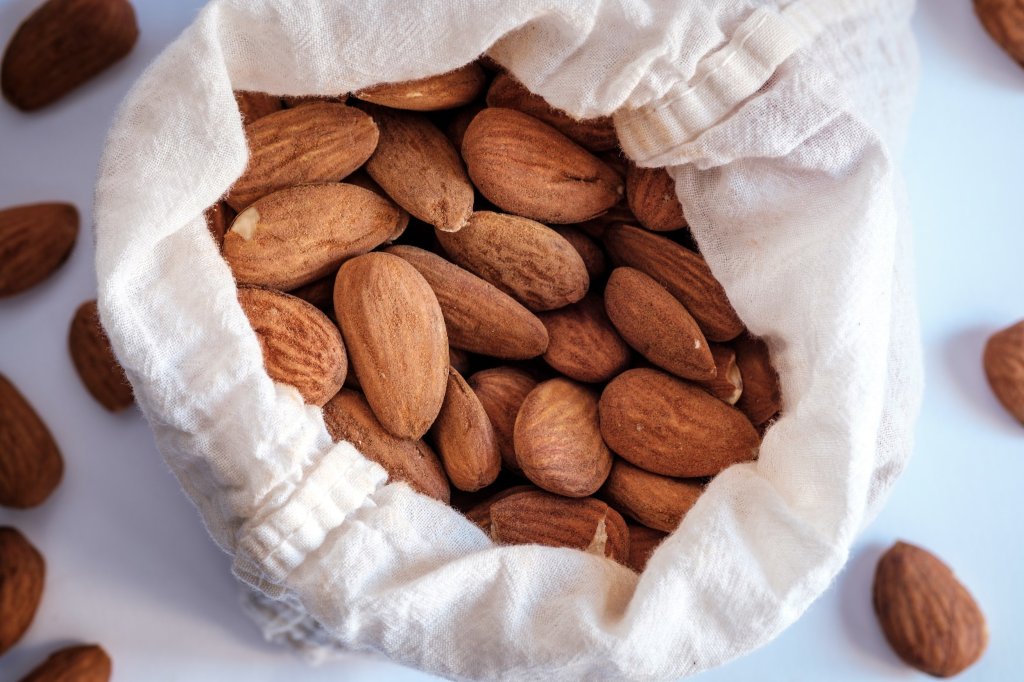

The Star ingredient-blog series introduces our most beloved ingredients; the stars without which the products would not be the same. Star ingredients are core and heart, whether about structure, skin feel, scent, or skin care qualities.
Disclaimer: these blog posts are not medical advisory. All ingredient descriptions are based on commonly available information. The benefits described are based on academic research studies. If you suffer from any skin condition or allergies, always consult first your GP/medical practitioner before trying new treatments on your skin.
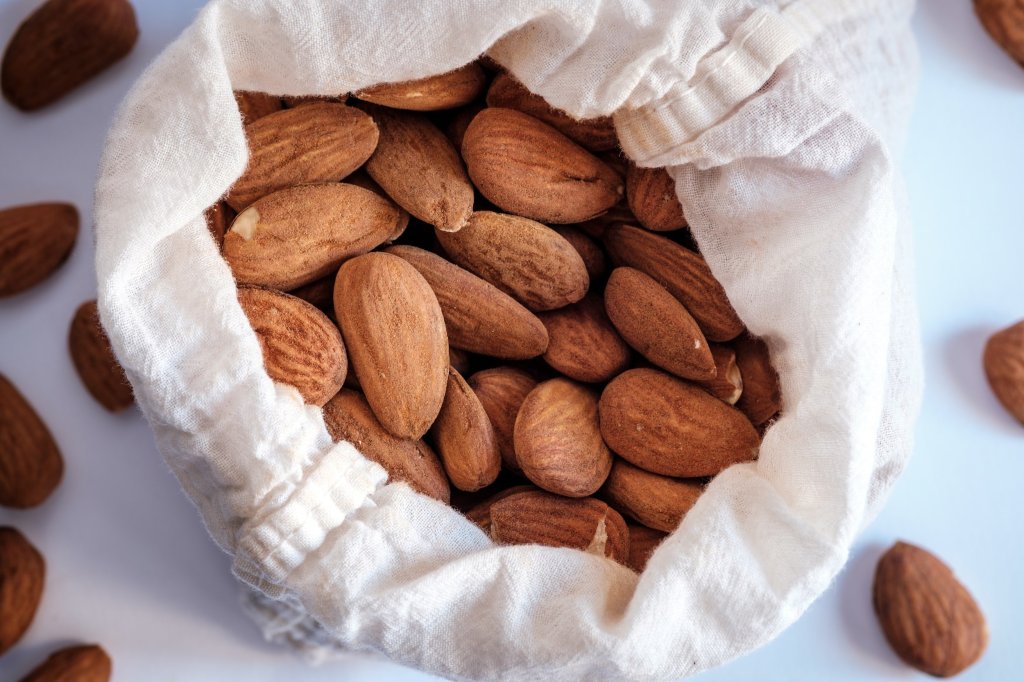
Sweet almond oil – a mild and nourishing all-rounder
Sweet almond oil, or Prunus amygdalus dulcis oil as you would see it written in a cosmetic product ingredient list, is a versatile and gentle natural oil that can benefit a wide range of skin types and conditions making it an excellent general purpose base oil. Sweet almond oil has a mild odor and light color with good stability in products or used on its own. It is high in monounsaturated oleic acid and rich in vitamin E and minerals making it a wonderful emollient. The high vitamin E content prevents rapid oxidisation thus extending the oil shelf life. Naturally occurring plant sterols in sweet almond oil can help calm redness and support skin collagen production. Thanks to the relatively generous linoleic acid percentage sweet almond oil absorbs into the skin fairly rapidly.
Other benefits of the sweet almond oil are its anti-inflammatory and vulnerary (skin healing) properties. Sweet almond oil can help to reduce skin inflammation and irritation. It can also help to soothe and heal minor abrasions and reduce the appearance of scars and stretch marks. Sweet almond oil is non-comedogenic (comedogenic rating 2/5), which means it won’t clog pores, thus making it a good ingredient option for acne-prone skin products. Benefits aside, it should be noted that sweet almond oil is not suitable for people with nut allergies and some people may have an external allergy for sweet almond oil.
Sweet almond oil is commonly used for massage blends, aromatherapy essential oil blends, balms, facial serums and skin conditioning, also in baby skincare products due to its mild and nourishing characteristics. But my experimenting with sweet almond oil started in soapmaking. So why do I use it in soap when it’s mainly used for leave-in products?
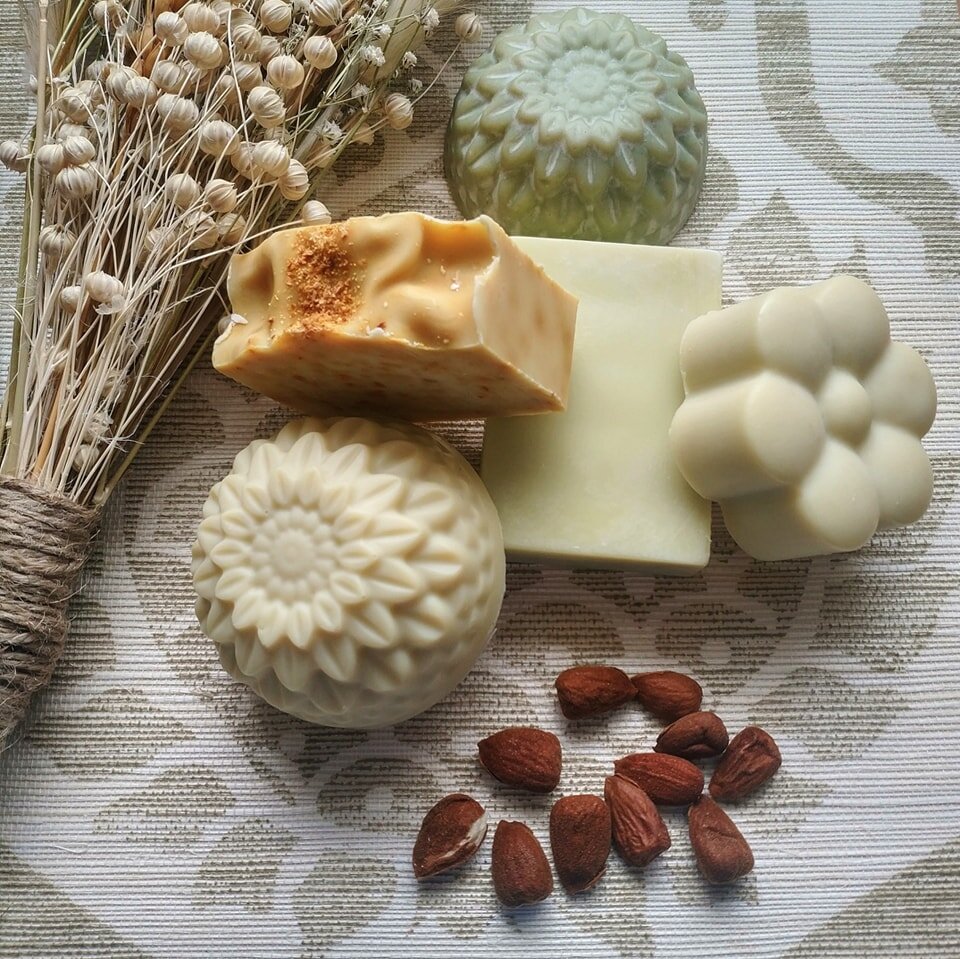
As many other soap makers I found out sweet almond oil makes traditional cold process soap less drying for the skin due to its emollient and soothing properties – so great for daily handwashing particularly during the colder time of the year. However as with everything there’s a limit how much you can use sweet almond oil on soap – if you’re into soap making at home I would not advice to try and make 100% sweet almond oil soap as the end product would require very long drying (curing) time and still get too soft and mushy in use. Trust me, I have tested, tried and failed so you don’t have to!
At Casa De Luluel I use sweet almond oil not only for our soaps but also for my raspberry face oil, where it can really shine alongside upcycled raspberry seed oil. You can read more about the upcycled oils here.
When it comes to sustainability sweet almond oil is not without its sore points. Generally speaking sweet almond oil is considered as a sustainable product; almonds are a renewable resource and are grown in a variety of areas around the world. However, almond is a water-intensive crop and the main problem with sweet almond oil commercial farms is water use, notably in California which has been experiencing a severe drought. In California almond farmers are required to use expensive and often limited water resources to ensure their crops are successful, resulting in higher production costs. Additionally, due to the high demand for sweet almond oil, the demand has outpaced the available supply, leading to higher prices for consumers.
Almond farmers around the globe are implementing various measures to ease the water issue and conserve the precious water resources. More efficient irrigation systems, such as drip irrigation, are installed to reduce water use. There are more drought-tolerant varieties of almond trees and planting of cover crops has shown to reduce soil evaporation and retain moisture. Water conservation measures, such as using mulches and reducing or eliminating tillage are also benefiting the top soil by improving and retaining soil nutrients. Farmers are investing in water recycling and reuse systems (such as treated wastewater), rainwater harvesting, and greywater systems to reduce reliance on potable water. In UK and Europe sweet almond oil supply is mainly coming from Spain, Italy, France, and Greece. Our organic sweet almond oil is currently coming from Spain.
If you read My Story you may have an idea what makes sweet almond oil so important for us. In our vision, one day we will use organic sweet almond oil in our products, grown organically in our own land and pressed in our own workshop, making truly homegrown and handmade Casa De Luluel soaps and skincare.
With love and lots of goodness of Mother Nature,
Lulu
 Casa De Luluel