

You’ve probably heard about zero waste movement, perhaps even practicing it or taking first steps. Beauty and personal-care industry is slowly jumping into bandwagon with many independent small brands leading the way and few of major highstreet brands following the suit.
What springs in your mind when you think about zero waste?
Many would likely think about avoidance of disposable packaging materials. Food waste is also a major factor to consider; over 30% of all food globally is wasted. That’s some food for a thought for sure (pun intended). This is were upcycled beauty ingredients are coming into picture – like those juicy raspberries above which leave valuable waste behind in the form of seeds when pressed as a juice.
Term ‘upcycling’ means producing something of greater value than the already existing starting material. Upcycled beauty products are made partially or entirely from by-products typically derived from plant-based food waste. Upcycled ingredients can directly replace some conventional ingredients. In my most optimistic scenarios this may create opportunities to conserve some vulnerable natural ingredients, and even help to avoid some ingredients considered questionnable in terms of ethics. And of course, upcycling helps to reduce landfill waste.
Upcycled ingredients are not limited to food waste only. I’ve been experimenting with face mask formulas with Charcoal CRUSH™ from The Upcycled Beauty Company. This ingredient is actually a by-product of a by-product; offcuts from sustainable oak fencing are used to provide restaurant-quality charcoal and the smaller pieces that the restaurant cannot use are upcycled. Could upcycling get any better than that?!
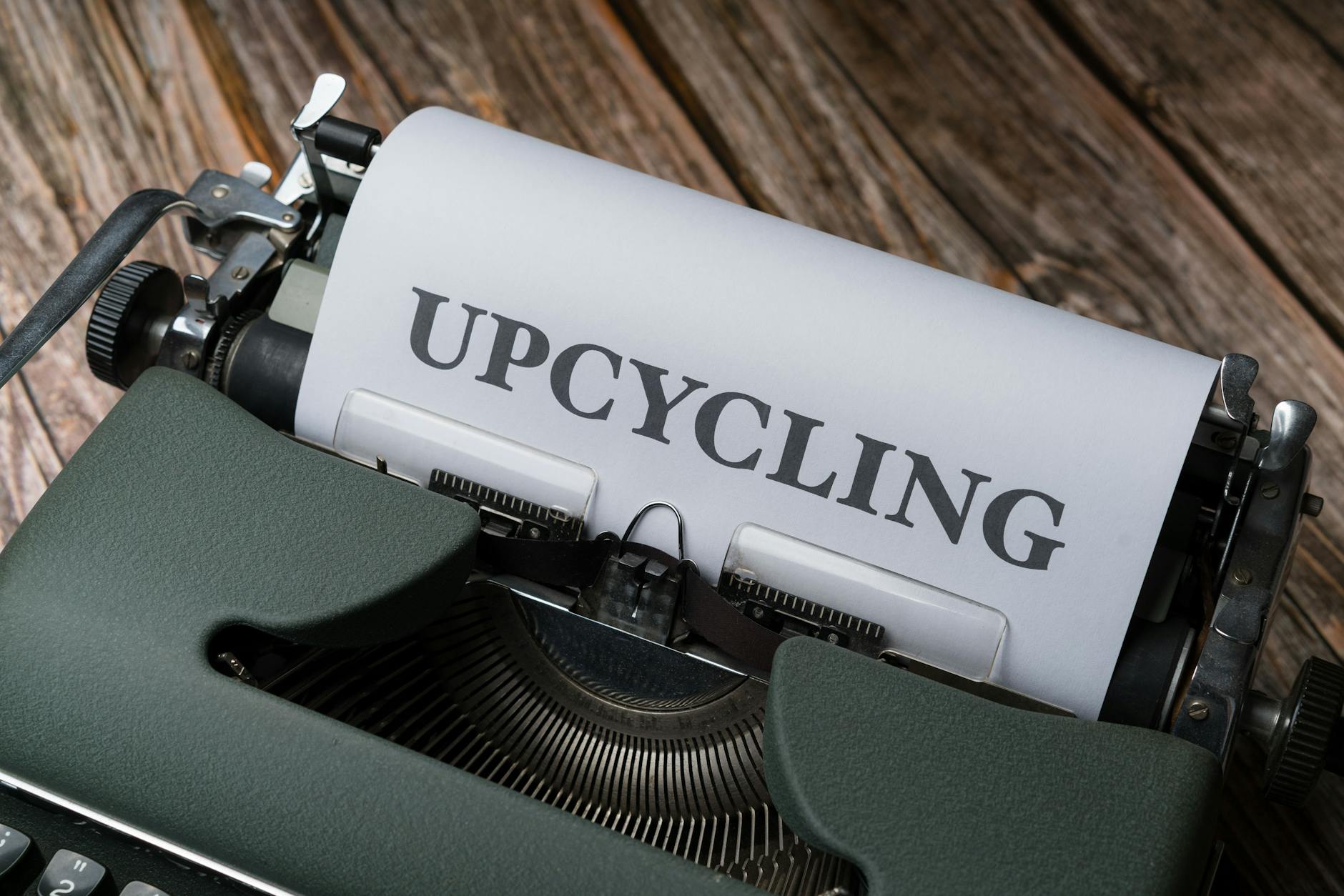
There’s also the flip side and challenges. Currently there are not many cosmetic products available on the market that are made entirely from upcycled materials. The biggest hurdle for a small independent business to make a product completely from upcycled ingredients is cost-related. Many upcycled ingredients don’t come cheap, there is no mass production. Additionally, no major cosmetic brand is mass-manufacturing cosmetics made entirely from upcycled materials. Low demand from the major brands means mass production of upcycled ingredients is letting to wait itself. A small business owner can’t sell the upcycle-product at the same price as the similar products from conventional ingredients, so the cost goes to the consumer. Hard economical times are not making the situation any better, as consumers are more savvy and thoughtful of where they put their money. There’s a risk of creating exclusive, luxury, niche cosmetics what only part of the population can afford to purchase. Obviously this type of scenario would not support the ultimate goal behind upcycled ingredients.
Despite the challenges and risks they bring within, I believe the upcycled ingredients are the future of skincare industry and the benefits overweigh the risks when looking at the bigger picture. I’m in love with the Upcycled Beauty Company’s hemp seed and raspberry seed oils made from upcycled food industry waste. I’ve made calming face oil suited for colder season with the hemp seed oil and the raspberry seed oil is a corner stone in my nourishing oil for maturing skin. I’m balancing the cost factor by mixing the upcycled oils with (cheaper) carrier oils, like sweet almond oil, and extracts or essential oils. Both my skin and environment say thank you!
With love and lots of goodness of Mother Nature,
Lulu
 Casa De Luluel